掌握英语,三招实用技巧
## Beyond the Basics: Three Pragmatic English Techniques for Real-World Fluency
Many language learners get bogged down in grammar exercises and vocabulary lists, believing this accumulation will automatically translate to conversational fluency. While foundational knowledge is essential, it’s the application of that knowledge—the ability to swiftly process information and respond naturally—that separates competent speakers from truly fluent ones. One particularly valuable technique involves what I call "Chunking for Comprehension." Rather than dissecting every word in a sentence, actively identify recurring phrases or “chunks.” These chunks often function as idioms or have nuanced meanings that escape literal translation. Recognizing these allows you to predict meaning and speed up processing when listening or reading. For example, understanding "get the hang of it" isn’t just about knowing ‘get’ and ‘hang’; it's recognizing the overall implication – learning something through practice. Consciously noting down frequently encountered chunks in context is a surprisingly efficient way to internalize idiomatic language.
A significant barrier for many English learners stems from reluctance to actively participate due to fear of errors. This hesitation, born from meticulous grammar study and perfectionism, inhibits spontaneous communication. My second technique addresses this: “Embrace Calculated Risks.” The aim isn’t reckless abandon of grammatical rules but rather a willingness to construct sentences even when unsure, focusing on conveying meaning above all else. Imagine building with Lego bricks; you might not have the perfect piece immediately available, but you use what's at hand and adapt as needed. This approach requires accepting that occasional errors are part of the process and provide crucial feedback for improvement. The act of speaking itself—of forcing your brain to actively produce language—builds neural pathways more effectively than passive studying ever could. Record yourself speaking about a familiar topic and critically review it; identify areas where you stammered or struggled, and consciously experiment with different phrasing in subsequent attempts.
Beyond the vocabulary and grammar, successful communication hinges on understanding subtle cues – not just what is said but how it’s conveyed. This includes prosody (intonation, stress, rhythm) and body language which often provides vital context. I advise learners to actively engage in "Mimetic Listening & Performance." This isn't rote imitation but a deliberate attempt to analyze the *way* native speakers articulate ideas—the pauses, the emphasis, the changes in tone. Observe how they use their voices to convey emotion or uncertainty. Then, consciously incorporate those patterns into your own speech, even if you don’t fully understand the underlying rationale. Watch interviews with charismatic speakers and pay attention not only to what they say but *how* they say it. Trying to replicate their cadence and delivery—even exaggeratedly at first—can be remarkably revealing about nuances often missed in conventional language lessons.
One common trap is focusing solely on formal English encountered in textbooks or standardized tests, neglecting the vibrant diversity of spoken dialects and registers found in everyday interactions. "Register Adaptation" encourages learners to actively observe and adjust their language based on context – the formality of the situation, relationship with the speaker, and overall tone of conversation. Consider how one might speak differently to a close friend versus a business client. A casual “Hey” is perfectly acceptable amongst peers but completely inappropriate in a formal setting. Pay attention to slang usage; while avoiding it initially is wise, recognizing it helps understand humor and social dynamics. Observing conversations between native speakers in diverse environments – at a pub, in a university lecture, during a job interview– offers invaluable insights into the flexibility required for truly fluent communication.
Ultimately, language acquisition isn't solely about acquiring knowledge; it’s about cultivating intuition. While rules are important guides, they shouldn't become shackles that inhibit spontaneous expression. "Subconscious Pattern Recognition" is achieved by consistently immersing yourself in authentic English content – podcasts, movies, conversations—and allowing your brain to subconsciously absorb patterns and relationships beyond the level of conscious analysis. The more you’re exposed to the rhythm and flow of the language, the more naturally it will begin to emerge when you speak or write. This doesn't necessitate understanding every word; often, grasping the gist is sufficient. Dedicate time each day to simply *listen* – without pressure to comprehend everything - allowing your subconscious to absorb the nuances of English in a way that explicit study cannot replicate.
The true measure of language proficiency isn't the ability to flawlessly conjugate verbs or recall obscure vocabulary. It’s about the capacity to connect with others authentically and effectively, bridging cultural gaps and fostering understanding. The three techniques I’ve outlined – Chunking for Comprehension, Embracing Calculated Risks, Mimetic Listening & Performance, Register Adaptation, and Subconscious Pattern Recognition—are not shortcuts but rather powerful tools that empower learners to move beyond textbook proficiency and develop the confident, adaptable communication skills needed to thrive in a globalized world. Their consistent application transforms learning from a chore into a dynamic journey of discovery and genuine connection.
相关文章
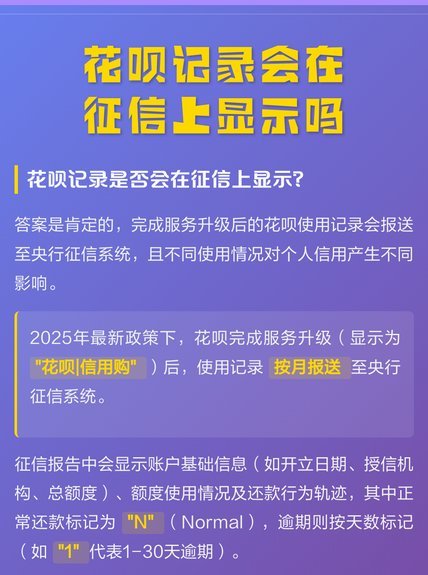
花呗取现与征信有何关系?
花呗取现功能,作为支付宝生态系统中的重要组成部分,其与个人征信关系一直备受关注。简单地回答“花呗取现会上征信吗”这个问题并不足以揭示其复杂性,因为答案并非绝对,而是取决于一系列因素。花呗取现,本质上是...

得物上的货,真假难辨?
得物,原名“毒”,以其独特的鉴真机制和“一口价”模式,吸引了大量球鞋和潮流服饰的爱好者。围绕其货品真伪的质疑从未停止,这并非简单的消费纠纷,而是平台商业模式与消费者信任建立间的一种微妙张力体现。得物初...

拿去花额度提现全攻略
拿去花是一种在线金融服务产品,用户可以通过这一平台获得额度,并使用这些额度进行消费或提现。但要注意的是,额度的提现并非所有情况下都能实现,这取决于平台的具体政策以及用户的信用状况等因素。 首先,需要...

取花致富 三大误区
时间在自然界中遵循着严谨的法则,任何试图加速或扭曲这一进程的行为,都会遭遇反噬。从园艺到金融,从个人成长到企业发展,都蕴含着类似的规律。想要从某个事物中“拿取”当下能产出的“花”,避免严重的损失与遗憾...

美团月付如何实现现金提取技巧指南
美团月付取现,实际上是利用美团提供的“分期付”服务进行的现金周转。其核心机制并非传统意义上的提现,而是将原本未来消费的额度提前变现。用户首先需要开通美团的分期付功能,并通过信用评估获得相应的授信额度。...
花呗的真相:它到底是什么平台?深度解析支付宝生态
花呗的背后,是支付宝生态的深度绑定。很多人问“蚂蚁花呗是哪个平台的”,但这个问题本身就体现了一种对支付宝生态的理解偏差。花呗并非独立存在于某个特定平台,而是在支付宝这个庞大体系内的核心支付工具之一。支...